After the Tents Came Down: Sizing Up Wagner's Lingering Footprint in Belarus
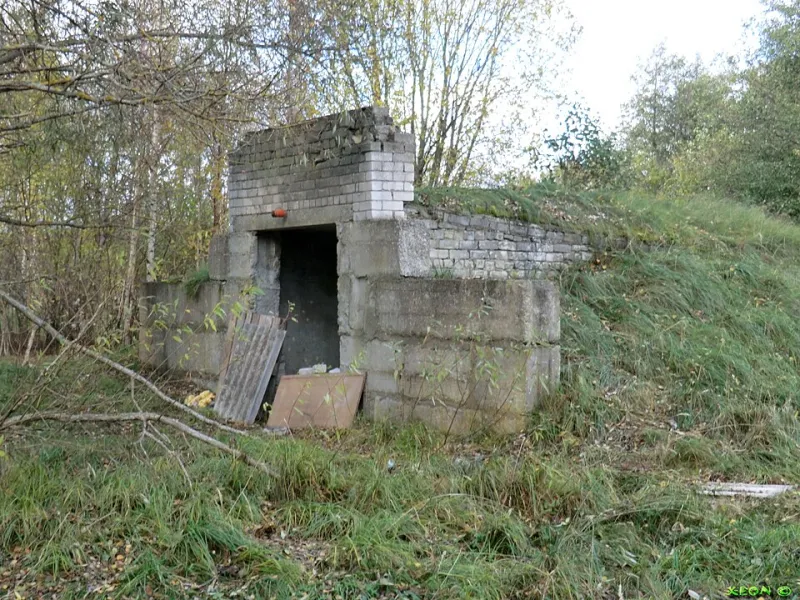
Photo: ---=XEON=---, CC BY 3.0, via Wikimedia Commons
It was one of the stranger episodes of the war's middle chapter: within weeks of Yevgeny Prigozhin's abortive march on Moscow in June 2023, several thousand Wagner Group fighters rolled into Belarus, set up camp at a disused military base near Asipovichy, and began — briefly — recruiting and training alongside the Belarusian armed forces. American satellite imagery tracked the tents; Kyiv braced for a possible redeployment toward its border; Washington issued quiet warnings to Minsk.
Then, almost as quickly, it unraveled. Prigozhin died in a plane crash that August. Moscow absorbed or disbanded most of Wagner's overseas operations. The Asipovichy camp emptied. By any headline measure, the story was over.
It would be a mistake, however, to file it away entirely. The Wagner interlude in Belarus left behind concrete questions about sovereignty, basing, and the durability of mercenary networks that remain open two years on.
Where the Fighters Went
The post-2023 dispersal followed three broad paths. A substantial portion of Wagner's rank and file was folded into Russia's formal military structure or into the successor formations that Moscow has since cultivated, most notably the Africa Corps, which inherited Wagner's operations in Mali, Libya, and the Central African Republic. Others demobilized outright, returning to Russia under amnesties that remain politically contentious there. A smaller residual number — recruiters, trainers, and logistics specialists — is believed to have remained in or passed back through Belarus in a reduced advisory capacity, though reliable figures are scarce and estimates should be treated with caution.
What is clear is that Belarus is no longer hosting a coherent Wagner formation. The tented city visible in mid-2023 satellite photos is gone, and subsequent imagery has shown the base largely deserted. Kyiv's northern defenses were never seriously tested by a redeployed Wagner contingent, a fact that should temper the most alarmed readings of the episode.
The Sovereignty Question That Didn't Go Away
The more durable legacy concerns basing. Wagner's arrival demonstrated that Belarusian territory could be made available to a Russian-linked armed formation with little visible friction and no meaningful Belarusian veto. Whatever agreement placed the fighters at Asipovichy was never publicly detailed, and the episode reinforced a pattern long familiar to analysts of Minsk's relationship with Moscow: decisions about who trains, stages, or stations forces on Belarusian soil are increasingly made in Moscow first.
That precedent matters beyond Wagner. Russia has since expanded its military footprint in Belarus under the guise of joint regional defense — aircraft, missile systems, and rotational training contingents. Each arrangement normalizes the next. A Belarus in which foreign fighters can be quartered at short notice is a Belarus whose sovereignty is thinner than its borders suggest.
Why Washington Should Still Care
There is a temptation, in a war crowded with crises, to treat Wagner's Belarus chapter as a closed file. Three considerations argue against that. First, the mercenary model did not die with Prigozhin; it was nationalized, and its alumni networks remain available to Moscow for deniable operations, including potentially in Europe's east. Second, the intelligence infrastructure the US built to monitor Belarus in 2023 — imagery, signals, human sources — is worth maintaining precisely because the next surprise deployment may come with far less warning. Third, the episode is a data point in a larger trend: the quiet erosion of Belarus's control over its own military geography.
Wagner's ghost, in other words, is not a battalion of fighters lingering in the Pripet marshes. It is the precedent they set — and the habit of American attention that should outlast them.