The Quiet Saboteurs: Five Ways Everyday Belarusians Are Pushing Back Against the War Next Door
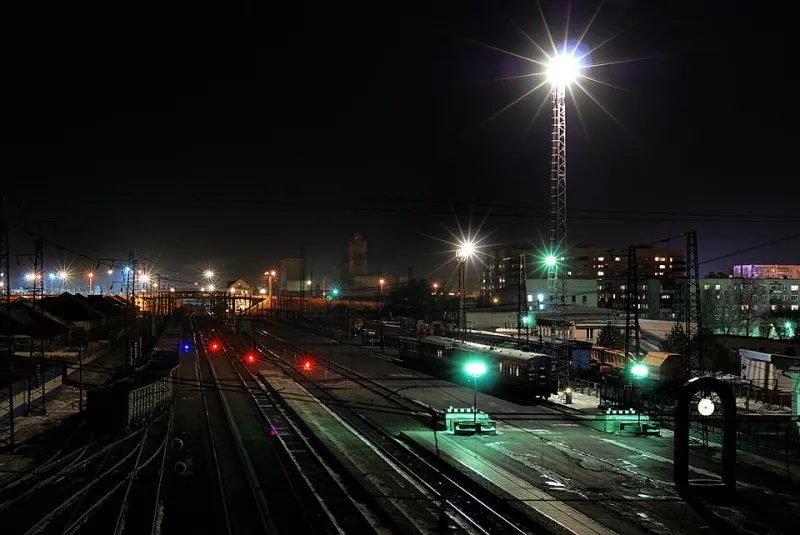
Photo: Olga Dudenko, CC BY-SA 2.0, via Wikimedia Commons
Belarus looks, from the outside, like the quietest corner of the war. Its army has not crossed into Ukraine. Its cities have not erupted in protest since 2021. But quiet is not the same as content. Drawing on the work of exile media outlets and opposition networks operating from Vilnius and Warsaw, a picture emerges of a society practicing resistance in miniature — acts too small to trigger a prison sentence, or accepted risks for those who have decided silence costs more.
1. The Railway Partisans
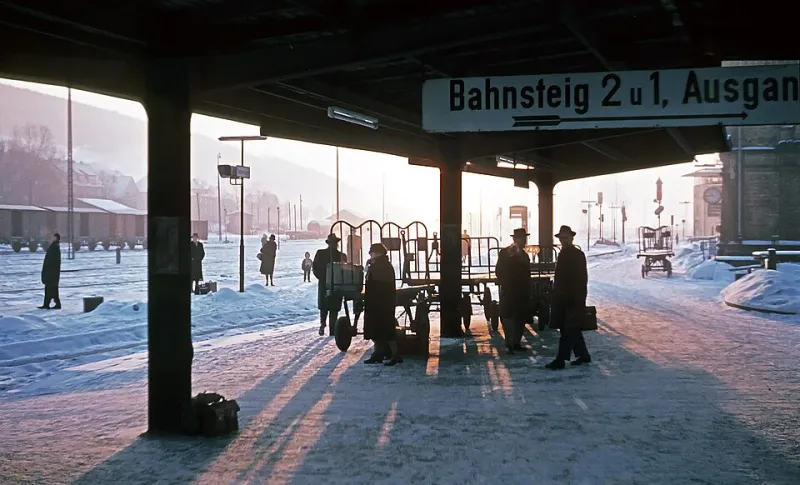
No form of Belarusian resistance has proven more consequential than sabotage of the rail network, the same Soviet-era arteries that carry Russian military freight toward Ukraine. Beginning in early 2022, switches were jammed, signal boxes set alight, and scheduling computers knocked offline in incidents that forced Russian logistics to reroute. The exiled community BYPOL has documented dozens of cases. The price has been real — several saboteurs received lengthy prison terms, and at least one, Henadz Matskevich, died in custody — but the disruptions measurably slowed resupply during the war's critical opening months.
2. The IT Exodus
Belarus's technology sector was once the regime's showpiece. It has hemorrhaged talent since the war began, as programmers — many of whom could work from anywhere — declined to serve as a labor reserve or, increasingly, as conscripts. Border crossings into Lithuania and Poland saw sustained outflows of young men throughout 2022 and 2023. Each departing engineer is a private act of refusal and a public blow to an economy the government needs functioning.
3. Telegram Against the Censor
With independent media crushed at home, Telegram has become Belarus's de facto free press. Channels like NEXTA and Zhytniak's successors operate from abroad, but their power lies in an army of domestic contributors who film troop movements, police convoys, and military hardware, then upload clips through VPNs. Censors block channels; admins reappear under new names within hours. It is a cat-and-mouse game the state has yet to win.
4. Flowers, Ribbon Colors, and Other Dangerous Small Things
After the 2020 crackdown, open dissent became nearly impossible — so it went symbolic. Women laid flowers at sites where protesters had been beaten. Motorists honked in coded rhythms. White-red-white flags, now banned, appear in graffiti, on birthday cakes, and once, memorably, in the form of a bride's bouquet. The regime has prosecuted people for these gestures, which tells you something: symbols that threaten no one require no punishment unless the state fears what they represent.
5. The Refusers
The least visible and perhaps bravest category: those who simply say no. Conscientious objectors refusing call-up. State employees declining to sign pro-war letters. Teachers quietly skipping mandatory patriotic lessons. These refusals rarely make headlines, but exile networks document enough of them to puncture the notion of a society uniformly behind its government.
Why It Matters From an American Vantage Point
For US readers accustomed to thinking of Belarus as a satellite, the takeaway is this: the country is not Russia's twin but a society under occupation of sorts, its resistance pushed into the margins by repression. Washington's toolkit — sanctions, sanctions waivers for humanitarian channels, support for independent media, visas for the persecuted — should be calibrated with that reality in mind. The people sabotaging trains and slipping across borders are not a footnote to the war. They are evidence that the story of Belarus is not yet finished being written.