The Distance Voices: How Belarus's American Exiles Fill the Silence Minsk Leaves Behind
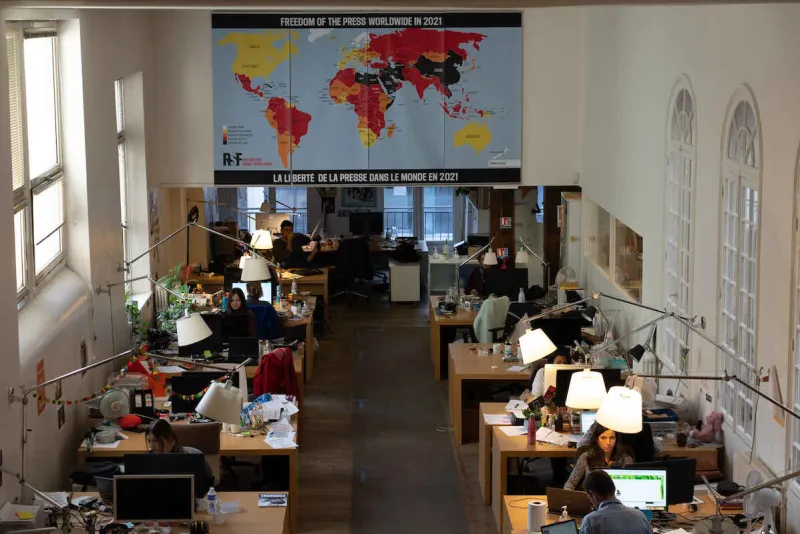
Photo: exiled journalist working laptop Washington think tank diaspora, via koerber-stiftung.de
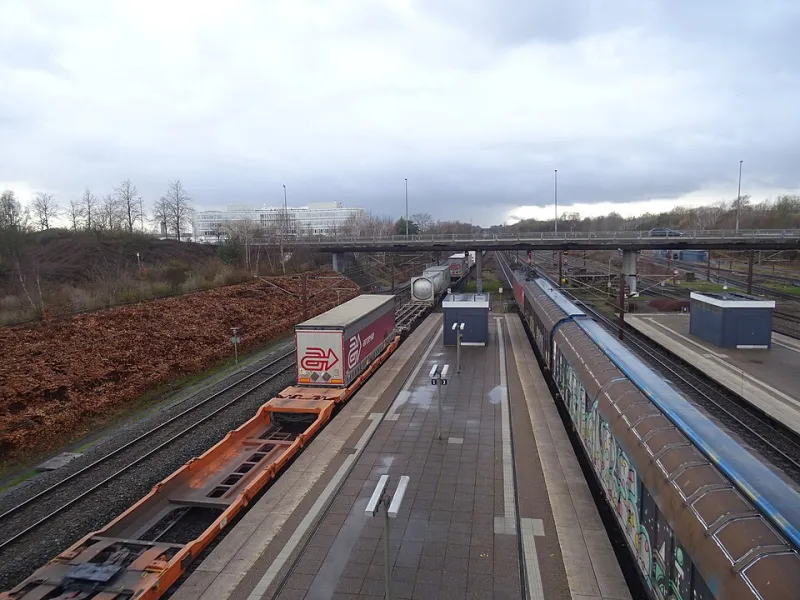
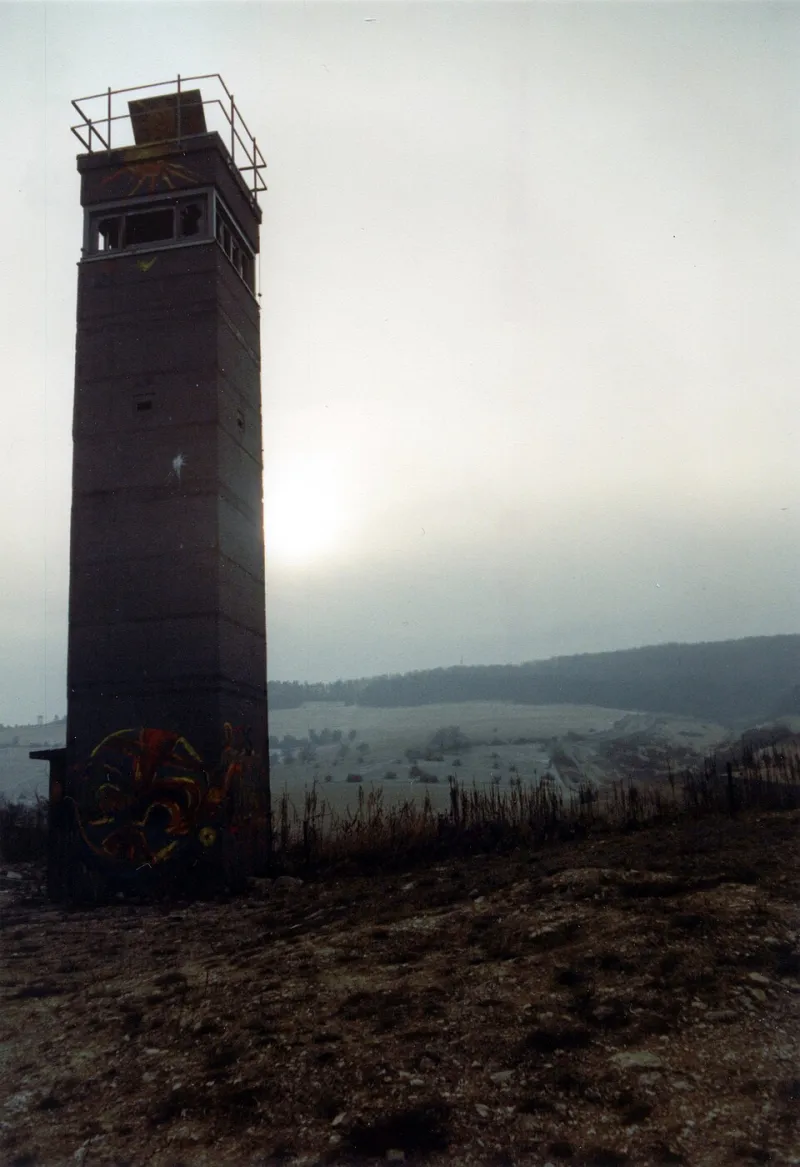
Try to report independently from Belarus today, and you will quickly discover why so few do. Accreditation for foreign journalists has been effectively strangled since 2020. Domestic independent outlets have been dissolved, their editors imprisoned or driven abroad. The state news agency publishes what the government wishes to be known. For a country sitting on the edge of Europe's largest war in eighty years, Belarus has become one of its most information-poor theaters.
Into that vacuum has stepped a diaspora — and a growing share of it is now American.
Reporting a Closed Country From a Distance
The model is well established by now: newsrooms that fled Minsk in the crackdowns following the disputed 2020 election reconstituted themselves in exile, many operating from Vilnius and Warsaw. But a distinct American layer has emerged alongside them — Belarusian-born analysts embedded in Washington think tanks, dissidents testifying before Congress, and journalists contributing to US publications that would otherwise cover Belarus only when Russian troops cross its border.
Their methods are necessarily improvised. Open-source intelligence, satellite imagery, statements smuggled out by remaining contacts inside the country, and the careful reading of state media between the lines all substitute for reporting that was once done in person. It is painstaking work, and its practitioners are candid about its limits. But for American readers, it is frequently the only window available.
From Exile to the Policy Table
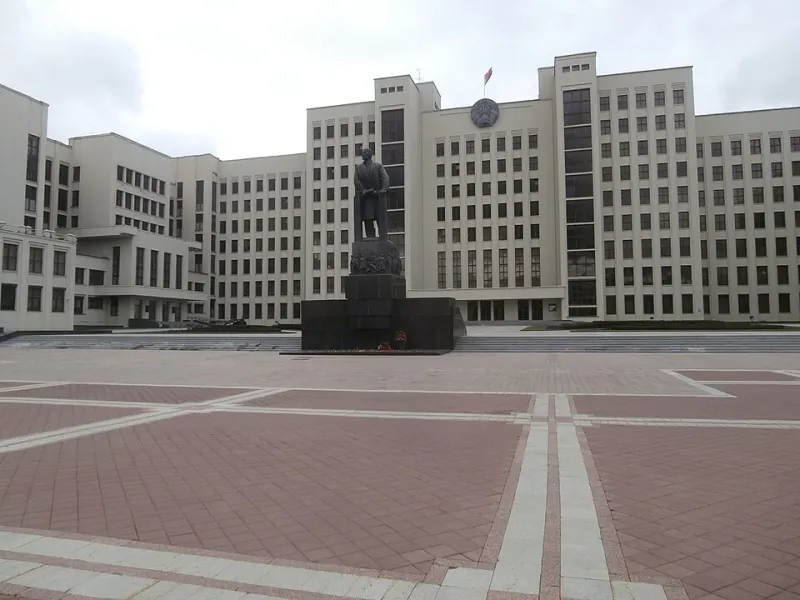
What distinguishes the American diaspora's role is proximity to power. Belarusian opposition leader Sviatlana Tsikhanouskaya's office has maintained a persistent presence in Washington, meeting with members of Congress and officials at the State Department. Human Rights Foundation–affiliated figures and exiled activists have pressed successfully for the United States to adopt what is known as a Belarus democratic transition strategy — a framework mandating support for civil society and accountability for repression.
The influence cuts in subtler directions, too. When American analysts assess whether Belarus will enter the war, whether sanctions are working, or whether Lukashenko is an independent actor or a Russian proxy, they are frequently drawing on the expertise of Belarusians writing from Chicago, New York, and the Washington suburbs. The diaspora does not simply supply information; it supplies framing. The widely held American view of Lukashenko as a weak, captive ruler — plausible, but contested by some regional specialists — owes much to how exiled opposition voices have told the story.
The Risks of a Single Lens
Honesty requires acknowledging the complications. Exiles are, by definition, people the current government has driven out; their judgments of that government carry the scars of persecution. That does not make them wrong, but it makes them partial, in both senses of the word. American officials and journalists who rely exclusively on diaspora sources risk mistaking one segment of Belarusian opinion — often urban, educated, and oppositional — for the whole of a society where apathy and fear run deep.
There is also the problem of distance itself. Analysts reconstructing events from satellite photos and Telegram channels can miss the texture of a country where, by most credible accounts, most people want neither war nor revolution but simply to be left alone. Exiled voices sometimes struggle to hear that silence over the noise of their own struggle.
Why It Matters for Washington
None of this diminishes the diaspora's essential contribution. Without it, American understanding of Belarus would rest almost entirely on Russian and Belarusian state sources — a far worse alternative. The exiles have kept Belarus on the US agenda through years when Ukraine, understandably, dominated attention, and they have argued persuasively that the war cannot be fully understood without Minsk.
The task for American consumers of this reporting is discernment: to value the window without mistaking it for the room. The Belarusians writing from America are doing the work their imprisoned colleagues cannot. Reading them carefully — and skeptically — is both a privilege and a responsibility that comes with a war being fought, in part, through what the West is allowed to know.