From Hrodna's Fields to the World's Breadbasket: The Quiet Economics of Belarusian Leverage
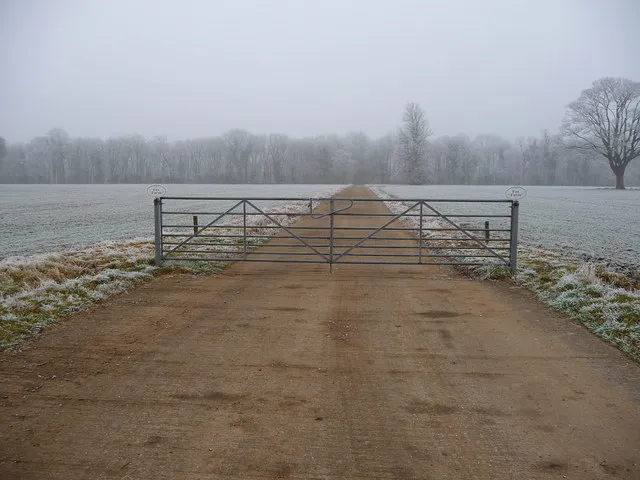
Photo: Chris Talbot, CC BY-SA 2.0, via Wikimedia Commons
Drive through the Hrodna region in late summer and you could be mistaken for being in central Iowa. Combine harvesters work fields of wheat and rapeseed that stretch to the horizon, and the grain elevators that dot the landscape hum with the same industrial efficiency you'd find anywhere in the American Corn Belt. But what happens to that harvest after it leaves the field tells a very different story — one that runs through sanctions regimes, commodity exchanges, and ultimately the negotiating rooms where the future of Ukraine will be decided.
The Fertilizer Kingdom Nobody Talks About
Belarus produces roughly a fifth of the world's potash, the potassium-rich fertilizer that American soybean and corn farmers apply every spring. Before 2022, that trade moved quietly through Baltic ports to buyers on four continents. Then sanctions — and, more consequentially, Lithuania's closure of the port route at Klaipeda — severed the pipeline almost overnight.
What followed was a masterclass in economic improvisation. Minsk rerouted potash through Russian ports, cultivated buyers in Brazil, India, and China, and rebuilt export volumes to near pre-war levels by 2023. Washington's sanctions did not collapse the industry; they simply changed its geography and its customers.
For US farmers, the effect was real but temporary — potash prices spiked in 2022, squeezing margins during planting season, before global supply chains adapted. But the episode proved something more consequential: Minsk can absorb sanctions pressure on fertilizer because the world cannot easily do without it.
Grain as a Diplomatic Instrument
Belarus's grain exports are smaller than its potash empire but follow a similar logic. The country historically shipped cereals and rapeseed oil to Europe and post-Soviet markets. As the war disrupted Ukrainian grain — the commodity that dominated headlines during the Black Sea corridor crises — Belarusian grain found eager buyers willing to overlook origin labels in exchange for stable supply.
This is where economics becomes leverage. Every future peace framework for Ukraine will touch on food exports: reopening ports, lifting sanctions, restoring trade corridors. Minsk sits on two of the three ingredients — territory, transit routes, and agricultural output — and Lukashenko's government knows that any settlement that ignores Belarusian economic interests is a settlement Belarus can obstruct.
Why This Matters in Washington
It's tempting for American readers to file Belarus under 'Russian satellite' and move on. But the food-and-fertilizer angle offers a more nuanced picture. US policy toward Minsk has been sanctions-first, with little strategic thought given to what happens when those sanctions partially fail — as the potash rebound shows they have.
Three implications deserve attention:
-
Sanctions need enforcement, not just announcement. The potash trade's recovery happened partly through reflagged shipments and third-country intermediaries. American pressure that doesn't account for rerouting is pressure that leaks.
-
Food security is a negotiating chip. Just as Ukrainian grain corridors became leverage in 2022, Belarusian agricultural exports could become a bargaining item in any peace architecture. Policymakers should decide in advance what they're willing to trade — and what they're not.
-
The Midwest has skin in the game. From fertilizer prices to the grain markets quoted on the Chicago Board of Trade, decisions in Minsk ripple into farm country economics. Senators from agricultural states have as much reason to track Belarusian export policy as they do Chinese soybean purchases.
Reading the Silos, Reading the Talks
Commodity flows are among the most reliable signals of where a negotiation is heading. When Belarusian potash shipments to Europe quietly resume, that will tell you something. When Minsk starts stockpiling rather than exporting, that tells you something else. In a region where official statements are theater, the silos and the cargo manifests speak more honestly.
A country of nine million people should not be able to move global fertilizer markets or complicate a peace settlement. But it can, and it does. Recognizing that — and building policy that accounts for it — is the unfinished business of America's approach to the war next door.